Why It Matters
Impact across
the continuum of care
When venous pressure becomes accessible, its impact extends across both acute and chronic care settings.
1. Text
Text
2. Text
Text
3. Text
Text
4. Text
Text


Inpatient care: clarity before invasiveness
In acute care, clinicians often face high-stakes decisions before invasive monitoring is established,
or in situations where central lines are not justified.
or in situations where central lines are not justified.
Objective venous pressure assessment provides additional context during:
- emergency triage
- early critical care decision-making
- evaluation of venous contributions to organ dysfunction and renal deterioration
This supports safer decisions and more targeted use of invasive monitoring.
Outpatient care: earlier insight, fewer escalations
Outside the ICU, elevated venous pressure and congestion have historically been recognised late,
often after symptoms worsen or hospitalisation becomes unavoidable.
often after symptoms worsen or hospitalisation becomes unavoidable.
Non-invasive assessment enables:
- earlier detection of congestion trends in heart failure clinics
- more objective fluid management in dialysis
- safer venous evaluation in vascular care
Here, the value lies in foresight, identifying deterioration earlier and reducing escalation friction.

System-level value

For patients
safer assessment
earlier intervention
reduced reliance on invasive procedures
For healthcare facilities
more consistent insight across departments
improved workflows
fewer unnecessary interventions
This is not just better measurement.
It is better continuity of physiological insight.
It is better continuity of physiological insight.
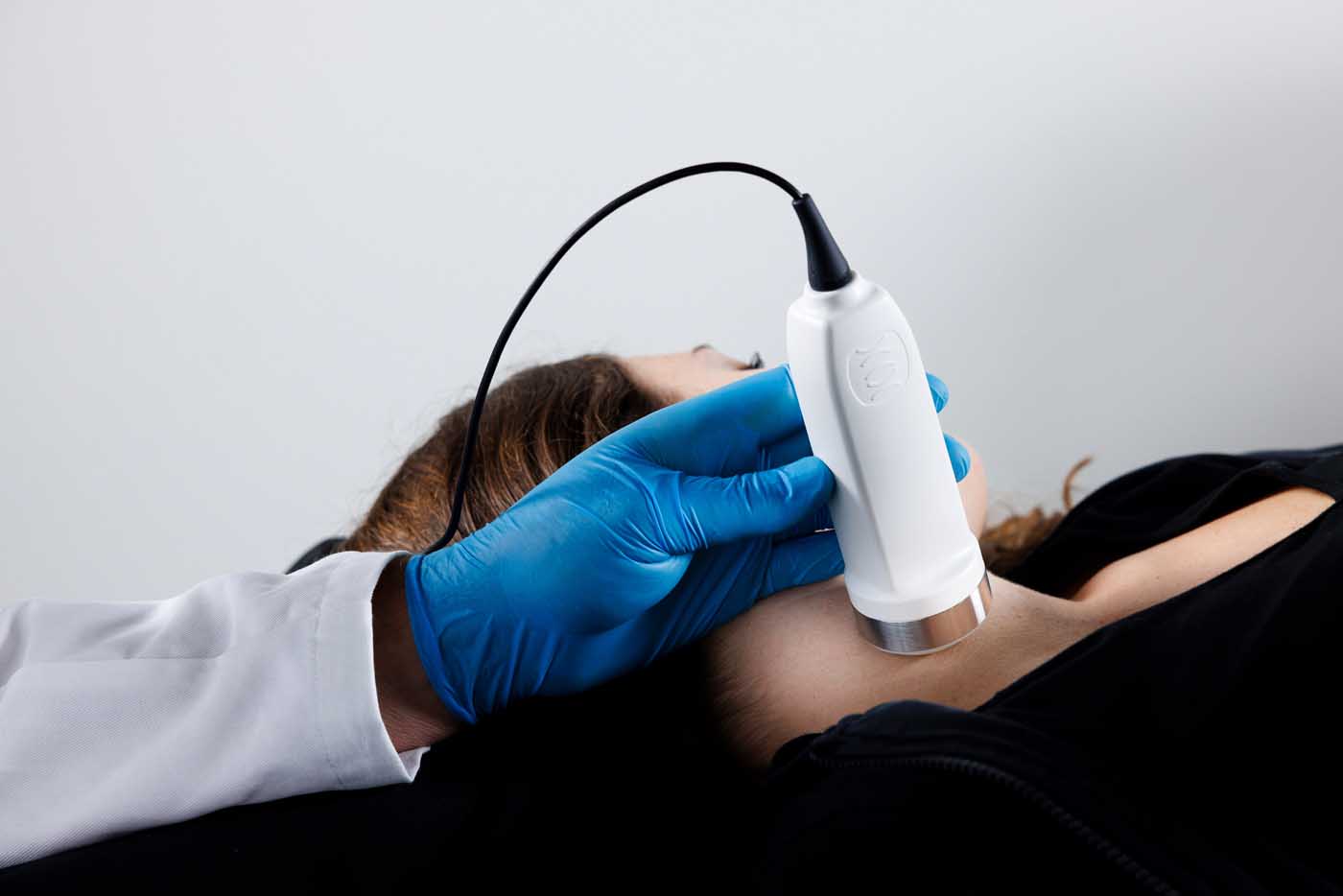
Looking ahead
This expanded access to venous pressure insight sets the foundation for a more proactive,
connected, and scalable approach to managing venous congestion across the continuum of care.
connected, and scalable approach to managing venous congestion across the continuum of care.
CTA:
Discover the future of venous pressure assessment
Discover the future of venous pressure assessment

Swiss engineered
2026 Compremium AG

Follow us on LinkedIn